Loading

Present and Reflexion – VI. MKH-Biennale Halberstadt 2026

Present and Reflexion

30 August — 27 September 2026

St. Martini Church

  • Sabina Grzimek
  • Hans Scheib
  • Hans-Hermann Richter
  • Inge H. Schmidt
  • Peter Herrmann
  • ilka Leukefeld
  • Helge Leiberg
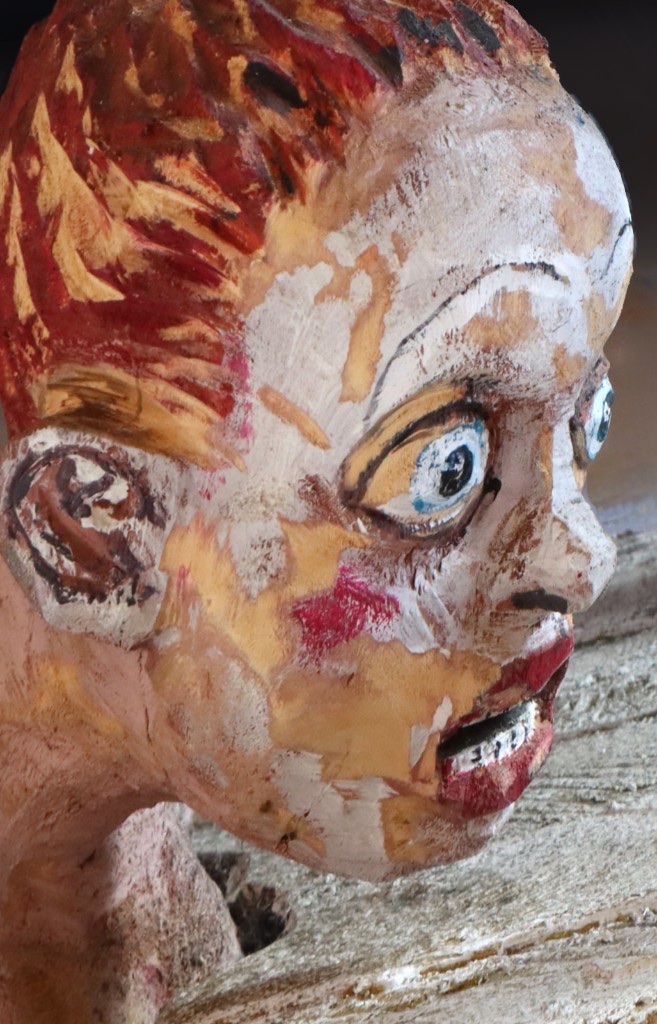
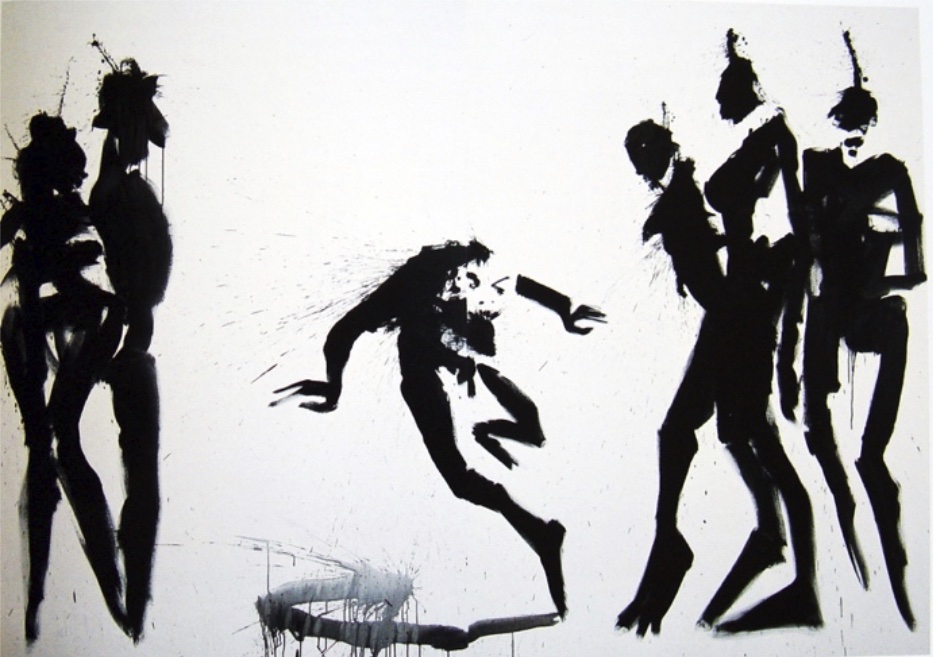
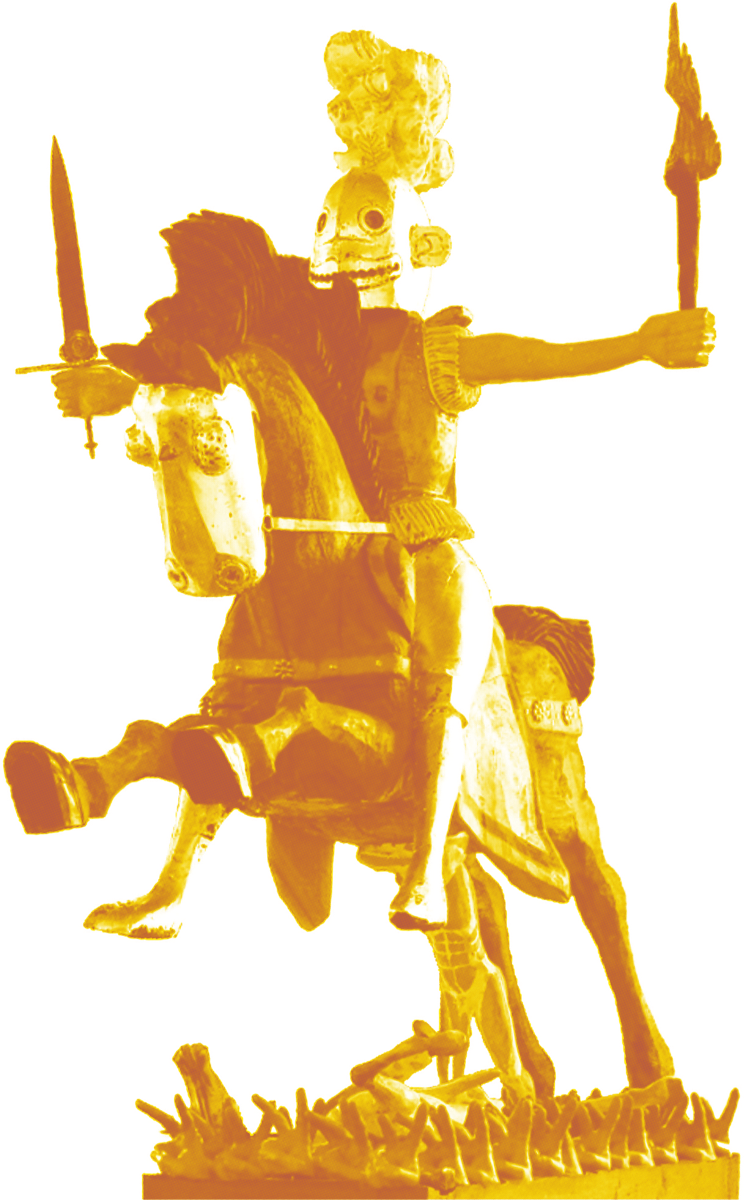
Hans Scheib – Apocalyptic Horseman (catalogue cover motif)

Exhibition

The MKH-Biennale is not merely a showcase for outstanding works of art. It has become an integral part of our cultural landscape with a lasting impact that stretches beyond the boundaries of Halberstadt.
More
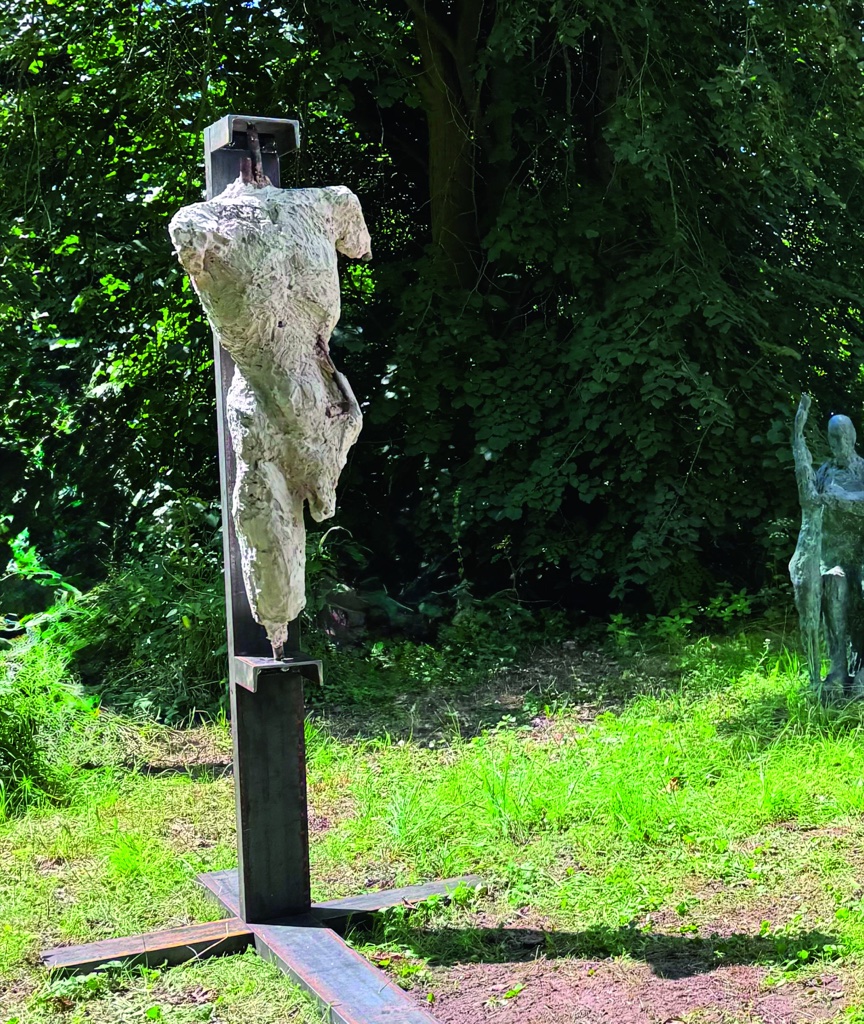
Dear exhibitors, distinguished guests of the Halberstadt art biennial. As Deputy Mayor of the City of Halberstadt and a member of the board of the Kuratorium Stadtkultur Halberstadt e. V., I am delighted to welcome you all to the sixth MKH-Biennale.
More
Norbert Eisold
Pathos of Nearness
In order to establish a »tangible«, human scale in con- trast to the more or less abstract “constructions of his- tory” that are detached from the individual, Walter Benja- min makes a startling proposal…
More
PRESENT
and
REFLECTION
On August 30th 2026 the VI. MKH-Biennale opens in Halberstadt, because the art world never stands still. It con- stantly reflects on the present, which is shaped by the past. The VI. MKH-Biennale brings together artists from various regions of eastern Germany …
More
Peppermill-Stories
At the studio of Sabina Grzimek, they discuss the decisive influence of the Pfeffermühle Community on culture and art in and around Halberstadt, as Bärbel and Klaus Herre were among its founding members in 1970.
More

Mirko Beutler

DOCUMENTARY FILMMAKER / CAMERAMAN

Mirko Beutler filming

The interest in camera work was sparked at the ZORA e.V. Sociocultural Center in Halberstadt, where Mirko Beutler was employed as a social worker from 1991 to ‘94, overseeing the center’s in-house video workshop. His move to London coincided with the start of his studies at Kingsway College, where he took a Media Foundation course. There, he made important connections with other filmmakers and the London art scene.
In 1995 –’98, he studied at the College of Printing and Distributive Trades (LCP) in Back Hill (now London College of Communication at the University of the Arts London) and graduated with a BA (Hons) Degree in Film and Television.
Since then, he has worked as a freelancer on art performances, corporate videos, promos, music videos, idents, commercials, short films, feature films, and documentaries. Since 2019, he has been living and working in Berlin and maintains strong ties to the art and culture scene in London and Halberstadt, such as the John-Cage-Organ-Art-Project.
For the 6th MKH-Biennale Mirko Beutler is making the video documentary. He also brought, in collaboration with Saxony-Anhalt-based artist ilka Leukefeld, one of her art projects about.

For PRESENT AND REFLECTION // FILMED CONVERSATIONS, a large-scale video installation about the exhibiting artists, he organized the lighting, filmed the project and edited the footage.
He was behind his camera during gatherings with her family and artists from her circle of friends. As unobtrusively as possible, he followed the conversations that unfolded and was able to capture sensitive moments and intimate exchanges on film.
It made sense to set these conversations up in a more traditional interview format within the artists’ respective studios.
This had the advantage of allowing for more careful lighting of the subjects and the artworks, as well as better sound recordings. The atmosphere of the studios was to be captured, and the artworks for the VI. MKH-Biennale were to be visible in the background whenever possible.
The artist portraits filmed by Mirko Beutler provide the public with valuable information and insights into the various biographies, ranging from memories of the pre-reunification era to the present day. Leukefeld and Beutler chose a camera angle that establishes a direct connection with the audience.
He worked with two cameras to capture the appropriate variations in the different artists’ perspectives and their personal stories during the film’s editing process. Mirko Beutler filmed using a Sony FX9 as the main camera. Initially, he used a Canon XC10 as the second camera, and later switched to a Sony 6300. He edited the raw interview footage using the Final Cut Pro X editing software.
The collaborative work, PRESENT AND REFLECTION // FILMED CONVERSATIONS, will be on view at the VI. MKH- Biennale on multiple monitors, with headphones provided, inside the main building of the Martini Church.
Peter Hinz

Johann-Peter Hinz was born in 1941 as the eighth of nine children into a vicar family. He grew up in Kolberg on the Baltic Sea, spent a year in Berlin after fleeing at the age of 4, and spent his youth and school years in Halberstadt.
In 1960, he began an apprenticeship as a concrete worker. His wish to study architecture at the Berlin-Weißensee University of Applied Sciences was denied after he refused to perform military service and declined to participate in the election.
In the following years, he began studying theology, which he discontinued after two semesters. He completed his apprenticeship as a construction metalworker and artistic blacksmith under Prof. Fritz Kühn in 1965, after which he accepted an unexpected offer to study metal design at the Halle Burg Giebichenstein University of Industrial Design.

In 1968, he was briefly expelled for participating in a protest against the demolition of the University Church in Leipzig. In 1969, the city of Halberstadt offered students from the Burg a new working environment for planned new development areas, and so in 1970, Peter Hinz, together with four other graduates and employees of the Burg, founded the Pfeffermühle Community.
Ceramics studios were set up, and he shared a metal workshop with Klaus Herre, but there was very little paid work in the early years. Starting in 1971, he worked—along with colleagues from the Pfeffermühle—to promote contemporary art in Halberstadt. Art exhibitions were also organized in Magdeburg, Erfurt, Berlin, and Frankfurt an der Oder.

In 1973, he was admitted to the Association of Visual Artists of the GDR. Without membership in that association—or admission to the Chamber of Crafts—securing commissions was virtually impossible for freelancers in the GDR. Hinz was critical and committed. To combine his artistic pursuits with his church involvement, an opportunity arose in 1983 to exhibit high-quality jazz concerts—organized on a volunteer basis every year during the summer months at St. Martini Church—as well as contemporary art—sculpture, large-scale textiles, paintings, objects, and photography exhibitions—in the sacred space. The concept of the »open church« provided the framework for this initiative.
Until the end of September 1985, Hinz was unaffiliated with any political party. He then became a founding member of the »Neues Forum« in Halberstadt, and his involvement in local politics remained a defining aspect of his life.
In 1988, Hinz received an art award from the Magdeburg District Council, and in 1989—the year the border opened— he organized a photography exhibition on the theme »Du sollst nicht Töten!« (»Thou Shalt Not Kill!«), which reflected on the 50th anniversary of the start of World War II. From October 1989 to May 1990, he served as a representative of the »Neues Forum« at the »Round Table« in Halberstadt, and following a unanimous vote, he was elected president of the city council from 1990 to 1999. Peter Hinz was awarded the Federal Cross of Merit on Ribbon in 1991 for his social commitment, and in 2001 he was honored with honorary citizenship of the city of Halberstadt. His work as president of the city council left him little time for his artistic pursuits.
Peter Hinz fell seriously ill in 2001 and passed away in Halberstadt in 2007; the Mill-Community dissolved in 2004. Johann-Peter Hinz’s life was one of constant change; his works, his political and social activism, and his very person are deeply connected to the city of Halberstadt and the history of the Pfeffermühle Community. Many of his works are held in private and public collections in the city of Halberstadt, the art collection of the Unser Lieben Frauen Monastery in Magdeburg, the Moritzburg Art Museum Foundation in Halle (Saale), and in the city of Magdeburg. Posthumously, »Johann-Peter Hinz Straße« in Halberstadt was named in his honor.
During the VI. MKH-Biennale two small sculptures made by Peter Hinz will be shown, that have never been presented in Halberstadt before.

(The content is based on Johann-Peter Hinz’s autobiographical résumé, written in 1990)

Programme

30/08
Opening
Sun, 30.08.2026 · from 17:30 · St. Martini Church
Artists present at the opening: Sabina Grzimek, Inge H. Schmidt, ilka Leukefeld and Helge Leiberg.
30/08
Live Performance
Sun, 30.08.2026 · from 19:00 · St. Martini Church
Helge Leiberg with the band Gamble & Hope

Tue/Thu
Curatorial tour
Tuesdays & Thursdays · 14:30–15:30 · St. Martini Church
Curatorial tour of the exhibition
31/08
Tour
Mon, 31.08.2026 · 15:30–17:30 · St. Martini Church to the station
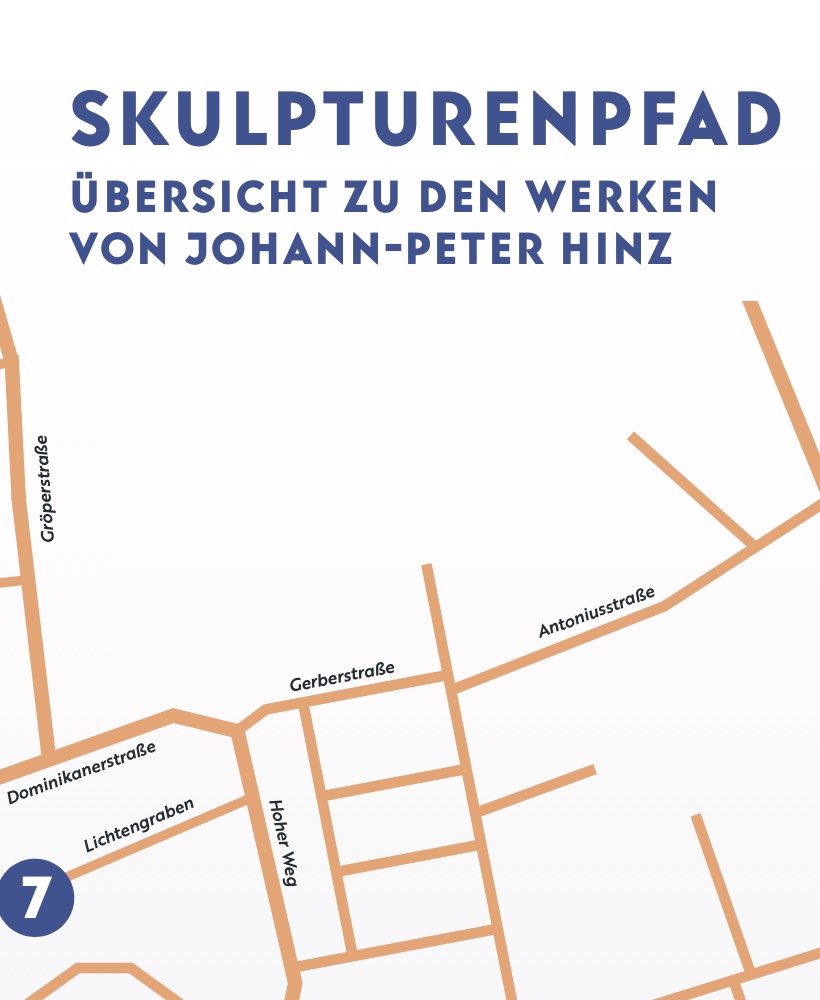
Sculpture trail tour of works by Johann-Peter Hinz

Full programme

Partners

Since 2014, Saxony-Anhalt’s first international art biennale has been supported by the Lord Mayor of the City of Halberstadt.
We thank them for this!

Kunststiftung Sachsen-Anhalt
LOTTO Sachsen-Anhalt
Partnership for Democracy in the Harz District
Demokratie leben! / BMFSFJ
#WIR SIND DAS LAND / Sachsen-Anhalt
Foundation of the Kreissparkasse Halberstadt
VIS Verkehrs Industrie Systeme
NOSA Halberstadt
Hochschule Harz
Rotary Club Halberstadt
Lions Club Halberstadt
Marko Eggert, tax advisor
Masonic Lodge ‘Friedrich zur Morgenröte’ i.O. Halberstadt
Orthopaedic group practice F. Böhm & Dr. med. M. Tripps
PartyTour – The event agency

THE MKH-BIENNALE IS A WORKING GROUP OF:

Kuratorium Stadtkultur Halberstadt e.V.

OUR DONATION ACCOUNT:

You can contribute to realising the Monat_Kunst_Halberstadt Biennale!
Your donation forms the urgently needed own contribution for our funding.
We give our all for independent art – let yourself be inspired too?

KEYWORD: MKH 2026

HARZSPARKASSE IBAN:
DE 32 8105 2000 0340 1258 37
BIC: NOLADE 21 HRZ

As a non-profit association we are happy to issue a donation receipt.